
The Science of Everyday Movement
Non-exercise activity thermogenesis, lipoprotein lipase regulation, and overcoming metabolic stagnation.
- 1Non-Exercise Activity Thermogenesis (NEAT) accounts for variations of up to 800 to 1,000 calories per day between individuals of similar stature.
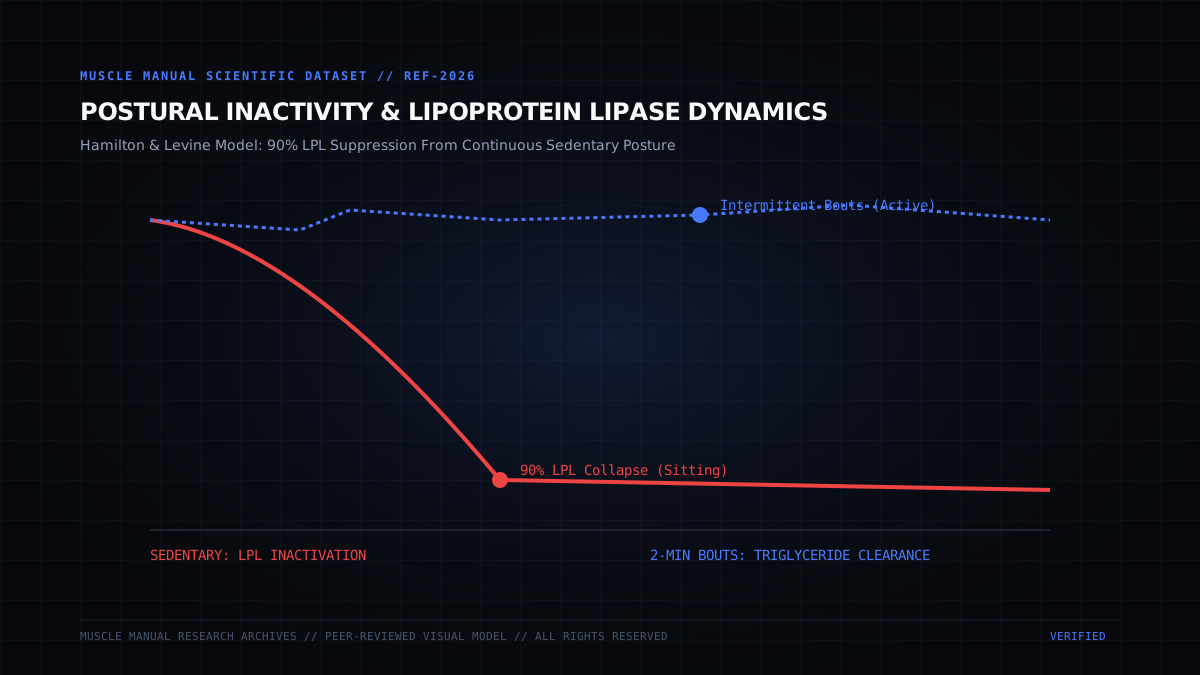
- 2Sustained sitting suppresses skeletal muscle lipoprotein lipase (LPL) activity by more than 90 percent, impairing plasma triglyceride and glucose clearance.
- 3The active couch potato phenomenon describes individuals who meet structured exercise guidelines yet remain metabolically impaired due to sedentary behavior throughout the rest of the day.
- 4Two-minute walking bouts every 30 minutes significantly attenuate post-prandial glucose and insulin excursions compared to uninterrupted sitting.
NEAT as the Dominant Metabolic Variable
Total daily energy expenditure (TDEE) is divided into three components: basal metabolic rate (roughly 60 to 70 percent), the thermic effect of food (roughly 10 percent), and physical activity thermogenesis. While most people focus exclusively on structured gym exercise (EAT), purposeful exercise rarely accounts for more than 5 percent of daily caloric burn.
Non-exercise activity thermogenesis (NEAT), characterized extensively by Dr. James Levine at the Mayo Clinic, represents the energy expended for everything that is not sleeping, eating, or dedicated sports exercise. NEAT encompasses walking, standing, occupational movement, stairs, and baseline muscle tone.
Between two individuals of identical height and weight, NEAT can vary by up to 1,000 calories per day depending on occupational and behavioral habits. This difference explains why some individuals remain lean without formal exercise, while others struggle with fat accumulation despite rigorous daily gym sessions.
The Lipoprotein Lipase Suppression Cascade
The health risks of sedentary behavior are not simply the absence of exercise. Prolonged muscular inactivity triggers a distinct cellular pathophysiology.
In pioneering work led by Marc Hamilton, researchers observed that continuous physical inactivity in postural muscles (such as the soleus and quadriceps) causes a rapid, profound suppression in skeletal muscle lipoprotein lipase (LPL) activity. LPL is an enzyme essential for capturing circulating triglycerides and converting them into free fatty acids for fuel.
Within hours of continuous sitting, LPL activity plummets by more than 90 percent, accompanied by a precipitous drop in HDL cholesterol and a substantial delay in glucose clearance. Importantly, a 60-minute evening run does not fully reactivate daytime LPL suppression, establishing that sitting is an independent metabolic risk factor.
Breaking Sedentary Bouts in Practice
Overcoming sedentary physiology does not require standing at a desk all day. Continuous static standing introduces its own orthopedic and venous pooling challenges.
The clinical solution is intermittent dynamic movement. In a randomized crossover study by Dunstan and colleagues in Diabetes Care, interrupting prolonged sitting with short two-minute bouts of light-intensity walking every 20 to 30 minutes reduced post-prandial glucose excursions by 24 percent and insulin levels by 37 percent.
Incorporating regular short walking intervals, taking calls on foot, and maintaining an anchor step target of 8,000 to 10,000 daily steps maintains vascular endothelial shear stress, optimizes insulin sensitivity, and elevates baseline metabolic expenditure.
Primary Research & Citations
3 Peer-Reviewed SourcesThis investigation was produced without commercial interference or brand sponsorship. Report factual corrections to [email protected].
Editorial charterRelated Investigations
The Real Return on Cardio
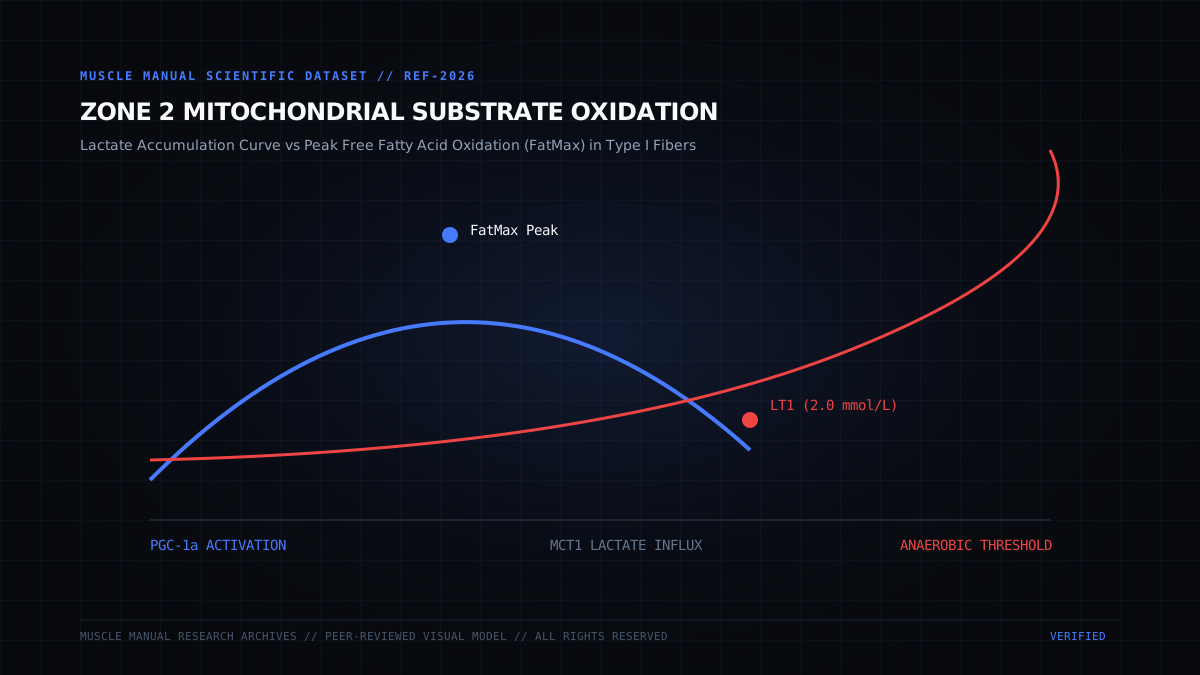
Low-intensity aerobic work does not destroy muscle tissue or blunt hypertrophy. When applied correctly, it expands left ventricular stroke volume, multiplies capillary networks, and accelerates recovery between resistance training sets.
The Science of Living Longer
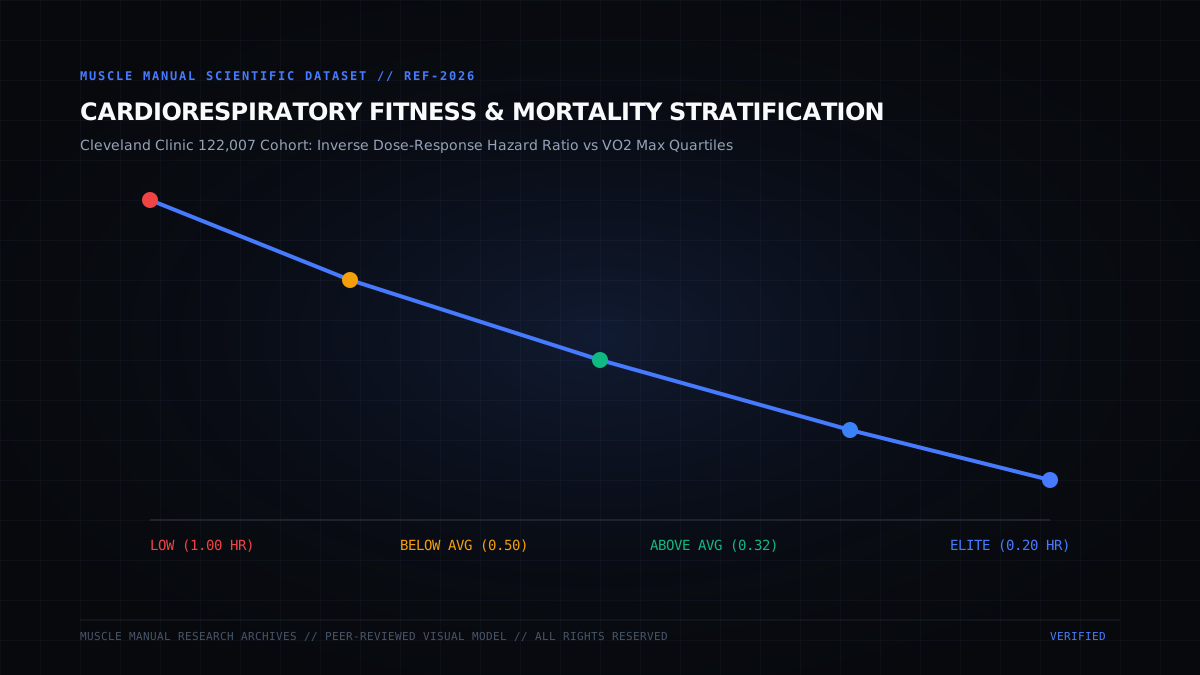
Modern longevity research points away from speculative pharmaceuticals and toward two measurable clinical markers: peak cardiorespiratory capacity and absolute skeletal muscle mass.

Nutrition Myths Worth Retiring
Popular fitness culture frequently clings to outdated dietary dogmas long after controlled metabolic ward trials have disproven them. Examining the evidence behind meal frequency, carbohydrate restriction, and starvation mode clarifies nutritional strategy.