
Exercise and Mental Health
Myokines, BDNF neuroplasticity, and clinical evidence across depressive disorders.
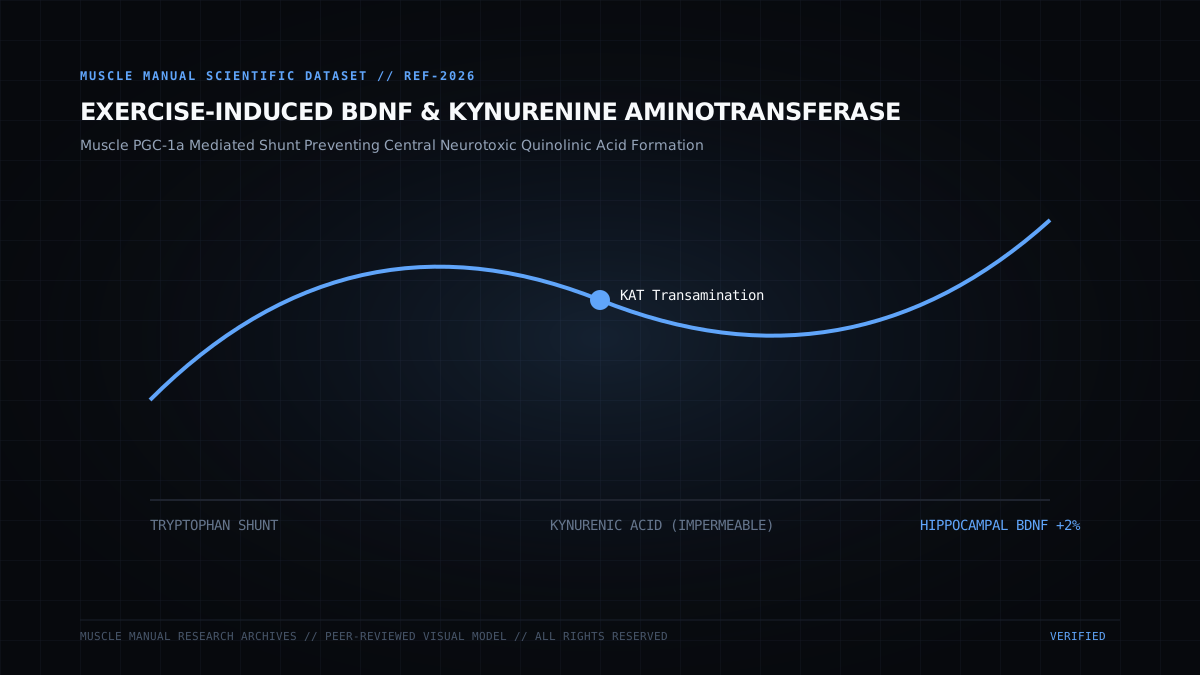
- 1A comprehensive umbrella review of 1,039 randomized trials confirmed that physical activity is 1.5 times more effective than counseling or leading medications for mild-to-moderate depression.
- 2Brain-derived neurotrophic factor (BDNF) synthesis surges following acute exercise, stimulating synaptic remodeling in the dentate gyrus of the hippocampus.
- 3Skeletal muscle acts as a metabolic detoxifier, expressing kynurenine aminotransferase to convert stress-induced kynurenine into kynurenic acid, which cannot cross the blood-brain barrier.
- 4Both aerobic exercise and progressive resistance training show robust therapeutic effect sizes for anxiety and mood disorders.
Clinical Evidence from 1,039 Randomized Trials
In 2023, the British Journal of Sports Medicine published the largest umbrella review to date evaluating physical activity interventions for depression, anxiety, and psychological distress. Encompassing 97 systematic reviews and 1,039 randomized controlled trials with 128,119 participants, the findings established exercise as a frontline clinical intervention.
Physical activity delivered a median effect size of 0.43 across depressive symptoms. Higher intensity exercise protocols demonstrated greater reductions in symptom severity than low-intensity regimens, with 12-week interventions showing the most rapid therapeutic adaptations.
Crucially, the benefits extended across diverse populations: individuals with diagnosed major depressive disorder, postpartum depression, generalized anxiety disorder, and chronic kidney disease all experienced measurable clinical improvements.
BDNF and Hippocampal Neurogenesis
Major depressive disorder is associated with volumetric atrophy of the hippocampus, impaired synaptic plasticity, and blunted neurogenesis. Exercise acts directly upon this pathophysiology through the up-regulation of brain-derived neurotrophic factor (BDNF).
During exercise, muscular contraction elevates circulating lactate and activates the ketone body beta-hydroxybutyrate. These metabolites cross the blood-brain barrier and induce the expression of FNDC5, which drives BDNF synthesis in the hippocampus.
Elevated BDNF promotes long-term potentiation, protects existing neurons from oxidative stress, and stimulates the birth of new neurons in the subgranular zone of the dentate gyrus. Structural MRI scans confirm that regular aerobic exercise increases anterior hippocampal volume by 2 percent over one year, reversing age-related loss.
The Kynurenine Detoxification Pathway
One of the most notable discoveries in neuroimmunology is the muscle-brain kynurenine shunt, characterized by Agudelo and colleagues in 2014. Under chronic psychological stress, elevated cortisol and inflammatory cytokines activate the enzyme indoleamine 2,3-dioxygenase, diverting the amino acid tryptophan away from serotonin synthesis and into the kynurenine pathway.
Kynurenine readily crosses the blood-brain barrier, where microglia convert it into quinolinic acid, a potent neurotoxin that provokes neuroinflammation, depressive behaviors, and anhedonia.
Trained skeletal muscle expresses high levels of the enzyme kynurenine aminotransferase (KAT). During exercise, working muscle filters circulating blood, converting neurotoxic kynurenine into kynurenic acid. Because kynurenic acid cannot cross the blood-brain barrier, this biochemical clearance protects the brain from stress-induced neurotoxicity.
Primary Research & Citations
3 Peer-Reviewed SourcesThis investigation was produced without commercial interference or brand sponsorship. Report factual corrections to [email protected].
Editorial charterRelated Investigations
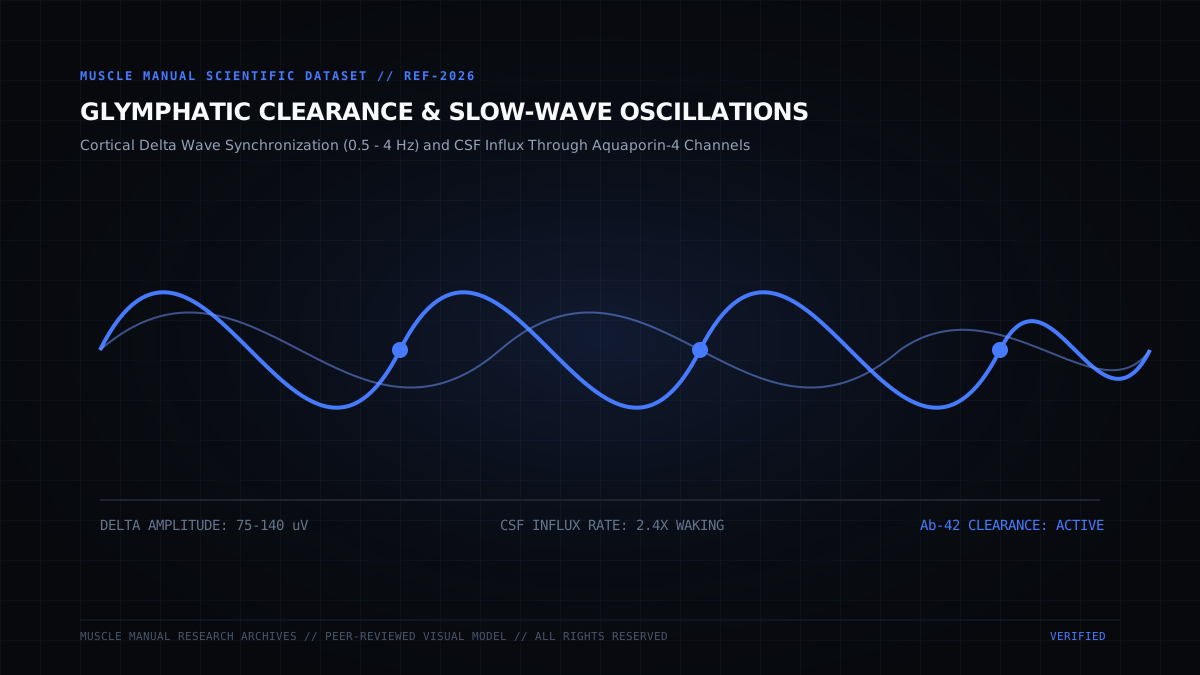
Your Brain on Better Sleep
Deep non-REM sleep is not passive downtime. It is an active metabolic cleansing cycle driven by cerebrospinal fluid filtration that flushes neurotoxic proteins and stabilizes synaptic plasticity.
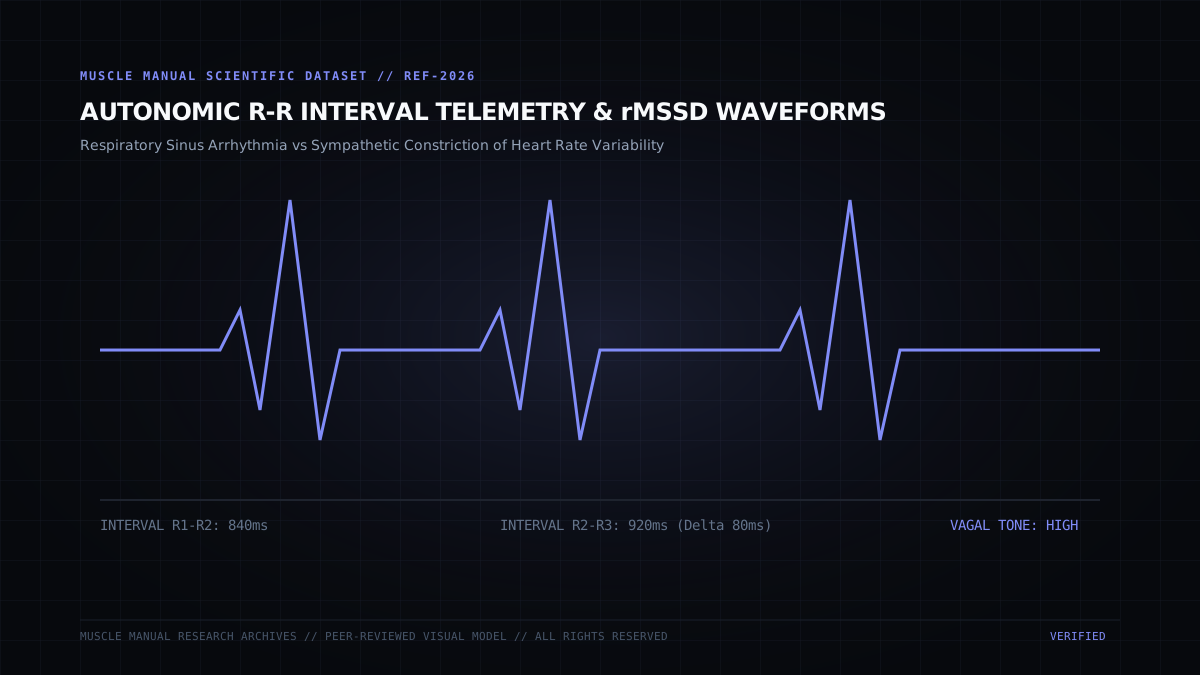
The Science of Stress Recovery
Training, career demands, and psychological tension draw on the same central physiological reserve. Understanding allostatic load and autonomic tone determines whether an athlete adapts or deteriorates.
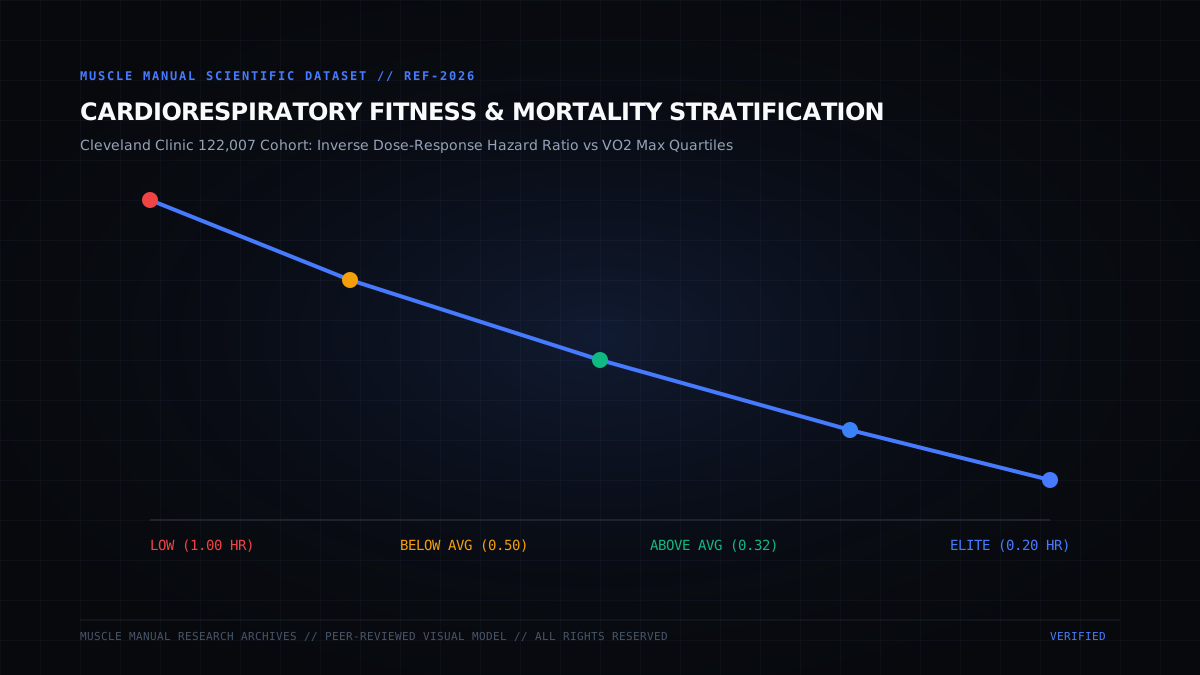
The Science of Living Longer
Modern longevity research points away from speculative pharmaceuticals and toward two measurable clinical markers: peak cardiorespiratory capacity and absolute skeletal muscle mass.